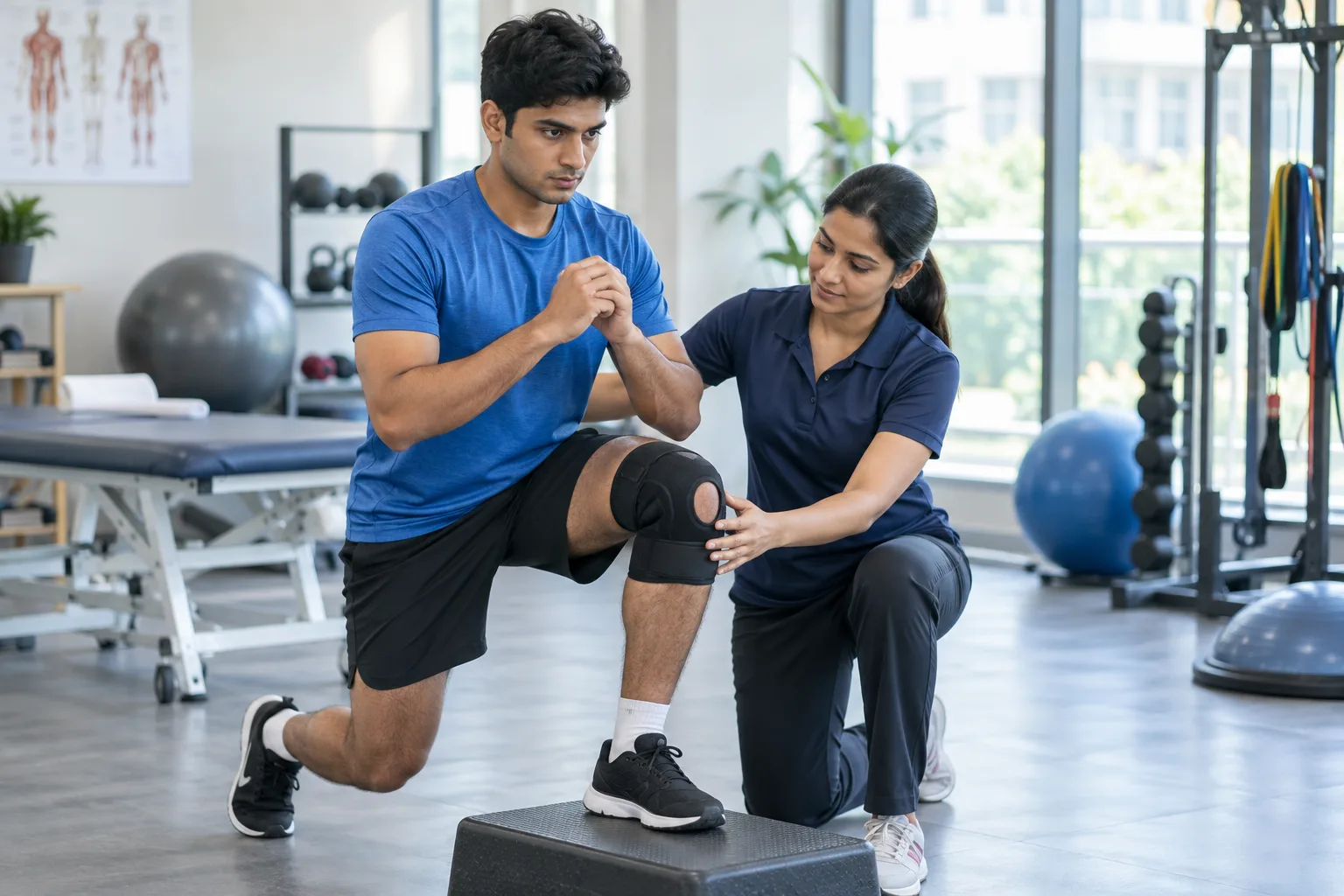
An ACL injury can change how a knee feels, moves and responds to activity. A useful assessment begins with the story of what happened, not only the scan.
Start with what happened
Note the direction of the movement, whether there was a twist or landing, when swelling appeared and whether the knee felt unstable. Difficulty bearing weight, locking or a significant change in movement may be important to mention.
Twist, landing, contact or direction of movement.
Swelling, locking, giving way or reduced confidence.
Sport, work and movement you want to return to.
What assessment can clarify
A clinician may combine the history, examination and imaging when deciding what the injury means. The discussion can include the ligament, other structures in the knee, activity goals and whether rehabilitation, a procedure or a staged plan deserves consideration.
Useful distinction
An MRI report is one part of the picture. The treatment conversation also considers symptoms, examination and the movement you want to return to.
Recovery and return to activity
Rehabilitation may be important whether or not surgery is discussed. A return to sport or work is usually planned around movement, strength, confidence and the demands of the activity—not a calendar date alone.
Key takeaways
- Write down how the injury happened and what changed afterwards.
- Bring imaging reports and previous treatment details to the assessment.
- Explain the activities, work and movement goals that matter to you.
- Seek urgent medical attention for severe symptoms, deformity or an inability to use the limb.
A clear next step
Discuss an injury in context.
A consultation can help connect symptoms, findings and goals into a plan.
Plan an appointmentThis article is for general education and is not a diagnosis or a substitute for in-person medical advice.
Join the conversation
Leave a useful thought for the next reader.
Share a question about this guide or the part of the topic you would like explained more clearly.
Please do not include personal medical records, emergency details or information that could identify you.Comments are moderated for privacy, respect and patient safety.